Germany is entering 2026 with mixed signals that directly affect how you work, study, and live here. On one hand, the country is talking about more flexible working hours. On the other, finding a job is taking longer, rent “hacks” are becoming legal risks, and universities are under visible strain. These shifts are happening at the same time and ignoring any one of them can cost you time, money, or stability.
Let’s break down what’s changing, why it matters, and what you should realistically do next.
Is the German Job Market Still Safe in 2026?
Short answer: it’s slower, tighter, and less forgiving.
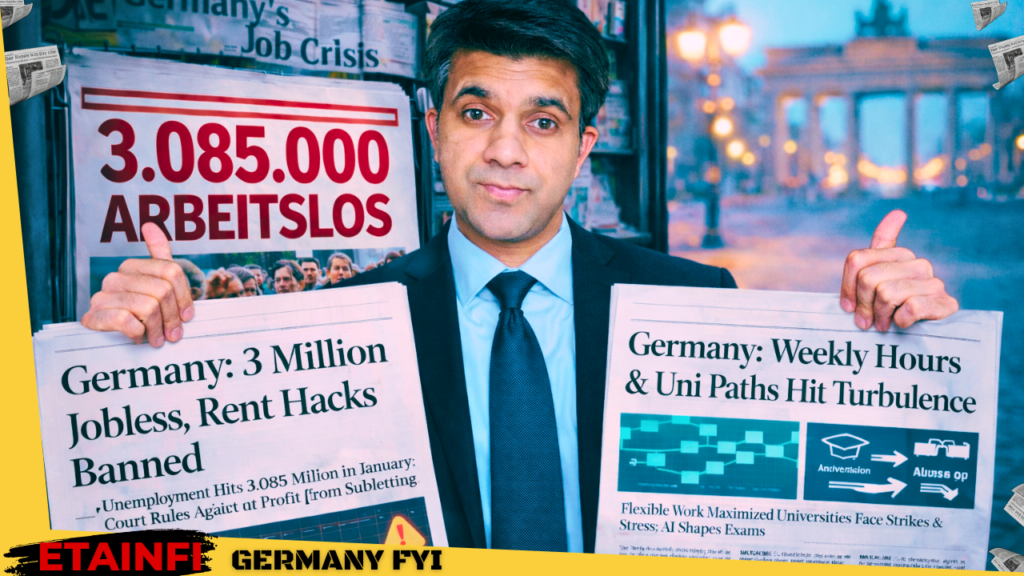
As of January 2026, Germany recorded 3.085 million unemployed people, up 177,000 from December, pushing the unemployment rate to 6.6%. At the same time, reported vacancies fell to 598,000, a drop of 34,000 compared to last year. Even the Federal Employment Agency described the situation as having “only little dynamism,” with a job-finding indicator at 5.7 — the lowest ever recorded.
What does this mean for you?
It means quick wins are rare. The biggest mistake right now is quitting early or assuming another contract will appear easily. If you’re employed, stay until the next offer is signed. If you’re searching, prepare for a longer timeline.
Grades alone won’t set you apart anymore. Employers want proof: projects, internships, real output, portfolios. The smart move is consistency — set a weekly application rhythm you can sustain for months, not a short burst that leads to burnout.
Will Flexible Working Hours Actually Help You — or Hurt You?
Flexibility is coming, but only if you protect yourself.
A federal strategy paper outlines plans to allow a weekly maximum working time instead of the traditional daily cap. This could give employers and employees more flexibility, and a decision may still come this year. The proposal also includes tax-free overtime bonuses and incentives for part-time workers who temporarily increase their hours.
But don’t confuse flexibility with freedom.
The current rule is still eight hours per day, extendable to ten hours if the six-month average stays within limits. If your employer asks for “flexibility,” your response should be practical, not emotional.
Get everything in writing. Ask how weekly hours are tracked, what happens during exam periods, and how overtime is compensated. Flexibility should protect your time — not quietly consume it.
Are Rent “Hacks” Now a Legal Risk in Germany?
Yes and the risk is higher than many tenants realise.
In January 2026, Germany’s highest civil court ruled that tenants cannot profit from subletting beyond their actual housing costs. The Berlin case behind this ruling involved a main tenant charging significantly more than their own rent, which ultimately led to contract termination.
Even worse: subtenants who acted in good faith could still lose the room if the main lease ends.
Zooming out, the pressure is clear. By the end of 2025:
- Condo prices rose 3.8% year-on-year
- House prices increased 2.8%
- Rents climbed 4.1% nationwide, faster than overall inflation
The takeaway is simple: subletting is cost sharing, not income generation. Document your real expenses, price carefully, and don’t gamble your housing contract for a short-term margin.
Are German Universities Becoming Harder — and Less Stable?
Yes, academically and emotionally.
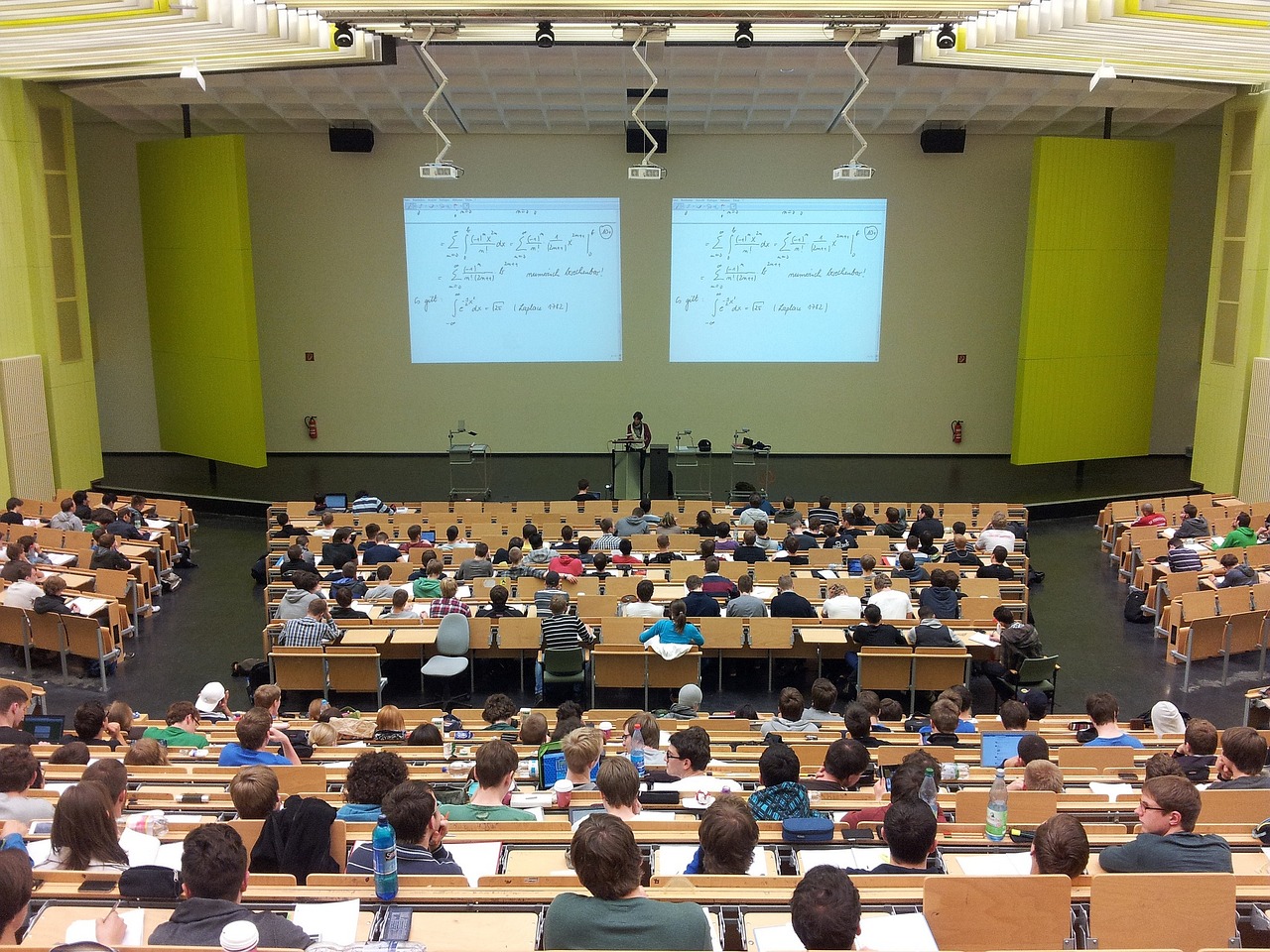
Universities across Germany are facing budget pressure, strikes, and restructuring. In Bavaria, warning strikes disrupted universities and student services as staff demanded higher wages. In Hamburg, politicians openly discussed reducing admissions due to financial deficits, while university leaders warned this could cause long-term structural damage.
At the same time, generative AI is changing exams. Educators admit it’s becoming nearly impossible to tell student-written work from AI-generated text. As a result, universities are shifting toward supervised writing, oral exams, and redesigned assessments.
Then there’s the human cost. A recent survey found that more than half of students rate their mental well-being as less good or poor. That’s not a personal failure — it’s a system under strain.
Should You Still Choose a Traditional Degree — or Look Elsewhere?
Germany’s dual system may now be the smarter route.
If you’re a student questioning your academic path, or a graduate struggling in a cold job market, don’t ignore Ausbildung. Especially in technical and green-energy fields, shortages remain real.
For many, transitioning into a practical qualification can be faster than waiting out a recession with a Master’s degree. It can also offer a clearer route to residency, income stability, and work experience.
If you’re considering this move, understanding the application process matters. That’s exactly where guided support makes a difference.
What’s the Smart Way Forward in Germany Right Now?
When you connect the dots, the message is clear:
- The labour market is slower
- Working structures may loosen
- Housing risks are higher
- Academic paths are evolving
The winning strategy isn’t panic — it’s timing and clarity. Move earlier, get agreements in writing, and stay flexible without losing direction.
At ETAINFI, we help you turn German policy changes into real-world strategy — whether that’s choosing the right study path, navigating work rules, or avoiding costly mistakes. If you want weekly insights that help you plan smarter, you’re in the right place.