Something has shifted in Germany.
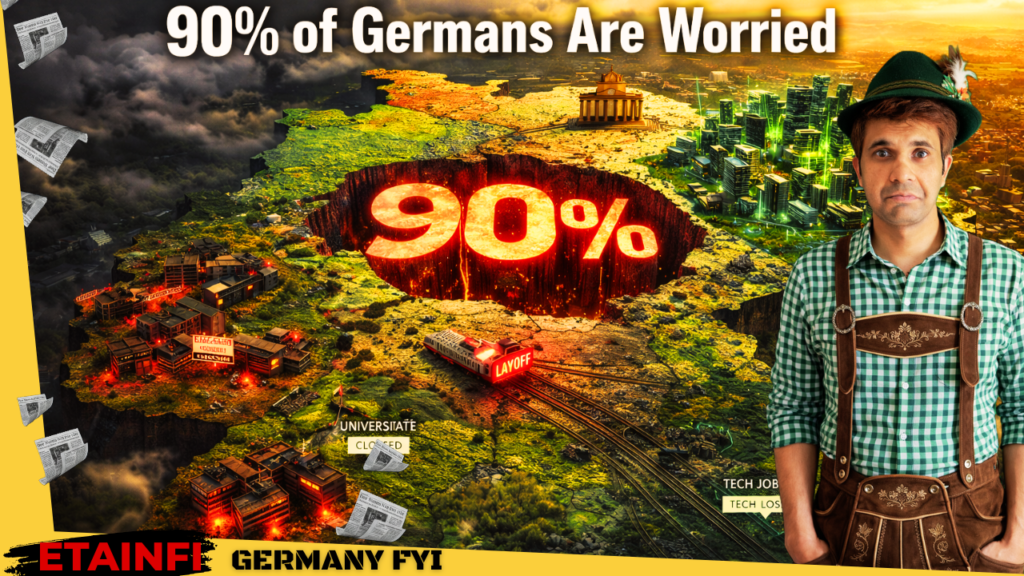
People aren’t just worried about prices anymore. Education and jobs have become the bigger concern and that matters if you’re studying here or planning to move in the next year or two.
Germany in 2026 isn’t falling apart. But it’s not running on old assumptions either.
Here’s what’s really going on.
Are German Universities Still a Safe Bet?
They can be but not automatically.
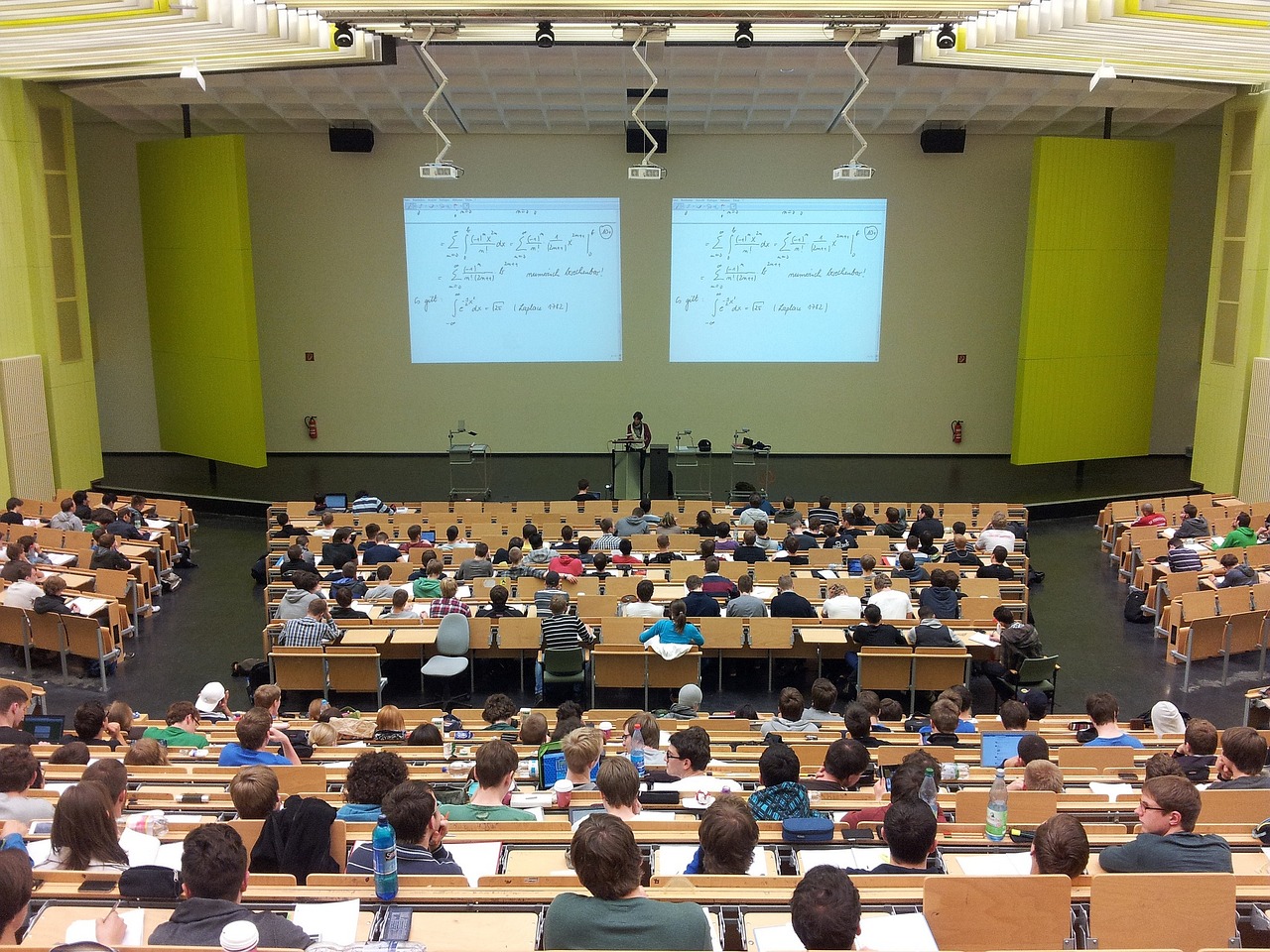
Several public universities are under financial pressure, and that pressure shows up in everyday student life: fewer tutors, limited course options, stretched supervisors. At places like the University of Hamburg, long-term underfunding has already led to warnings about deeper cuts ahead.
The takeaway is simple: don’t choose a university based only on rankings or reputation. In 2026, financial stability and state support matter more than the degree title.
Do State Rules Really Matter for Students?
More than before.
Education rules are decided at the state level, and the differences are becoming sharper. Bavaria, in particular, has tightened university conduct rules and reinforced restrictions on gender-inclusive writing in official academic contexts.
For international students, this isn’t about politics — it’s about awareness. What’s normal in Berlin may not be treated the same way in Munich. Knowing local rules is now part of staying safe academically.
Is the Job Market in Germany Weak Right Now?
It’s weaker but uneven.
Unemployment rose in 2025, and 2026 isn’t expected to bring a quick rebound. Hiring is slower and competition is tougher. Big companies are restructuring for example, Deutsche Bahn cutting a significant share of management roles to reduce bureaucracy.
That doesn’t mean jobs are disappearing. It means the hiring landscape is changing.
Where Are the Real Jobs in 2026?
Not always at big names.
Germany still has clear shortages in specific fields:
- healthcare and nursing
- IT and software development
- engineering and manufacturing
- logistics and skilled trades
- education and STEM
Small and mid-sized companies are still hiring quietly and consistently. If your entire focus is on large corporations, you’re likely missing where demand actually exists.
Is AI a Threat or an Opportunity?
Mostly an opportunity if you’re practical.
AI in Germany is increasing demand for people who can build, implement, and secure systems. Skills in data, applied AI, cybersecurity, and software development are where demand is growing fastest.
Theory alone won’t carry you. Applied skills will.
Should You Quit Without a Backup Plan?
Not in this market.
Switching jobs is normal. Quitting without something lined up, especially in a weaker job market, is risky. Hiring cycles are longer and gaps are harder to explain than they used to be.
Secure the next role first. It’s boring advice but it works.
Want the Full Breakdown with Examples and Data?
This article covers the core signals but the full context matters.
👉 Watch the complete Germany 2026 update video here:
https://youtu.be/E7UFdzWkNDI
In the video, I go deeper into:
- university budget cuts and what they mean on the ground
- how Bavaria’s rules differ from Berlin
- why big layoffs don’t tell the full job market story
- where international students and professionals should realistically focus in 2026
If you’re making decisions about studying, working, or moving within Germany, it’s worth seeing the full picture.